How to Start a Pool Building Business in Australia: Complete Guide 2026
The pool industry in Australia is one of the most consistently in-demand trades you can enter. Australia has more backyard pools per capita than almost anywhere in the world, and demand hasn't slowed — particularly in Queensland, New South Wales, and Victoria.
But starting a pool building business is not a simple process. Licensing is state-specific and non-negotiable. Insurance requirements are significant. Startup costs are substantial. And the customer management side of the business — quotes, contracts, follow-up, post-install communication — determines whether you grow or just stay busy.
This is the complete guide for 2026.
Step 1: Licensing by State
Licensing for pool builders in Australia is state-governed, and the requirements differ significantly. This is not an area to cut corners — unlicensed pool work can result in fines, prosecutions, and personal liability.
Queensland (QLD)
In Queensland, you need a Builder — Pool licence issued by the Queensland Building and Construction Commission (QBCC).
Requirements include:
- Relevant trade qualifications (Certificate III in Construction Waterproofing or similar)
- Demonstrated technical competency
- Financial requirements (minimum net tangible assets)
- Professional indemnity insurance
Apply via QBCC online. Processing times vary but allow 4–8 weeks.
As of 2026, Queensland also requires all new pool builders to register as a licensed pool safety inspector or engage one — pool safety certificate requirements are strict and enforced.
New South Wales (NSW)
In NSW, pool building requires a Contractor Licence — Swimming Pool Construction issued by NSW Fair Trading.
Requirements:
- Relevant qualifications or demonstrated experience
- Meet suitability criteria (background checks, financial standing)
- Hold current public liability and home building compensation insurance
The NSW licence is required for any pool construction work over $5,000. For sub-contracted work within that threshold, a contractor's licence still applies.
Apply via Service NSW. Processing typically takes 4–10 weeks.
Victoria (VIC)
In Victoria, pool construction requires a Domestic Builder — Pool and Spa registration from the Victorian Building Authority (VBA).
Victoria has specific Pool and Spa Regulations introduced in 2019 requiring all pools and spas to be inspected and registered with local councils. Pool builders must ensure their work meets these compliance requirements.
Apply via the VBA. Budget 6–10 weeks for assessment.
Other States
- SA: Consumer and Business Services licence required
- WA: Building Services Board registration
- ACT: Construction Occupations Licensing Act compliance
- TAS: Building Work Contractors Act licence
Start with your state authority early — licensing is the longest part of the setup process.
Step 2: Insurance Requirements
Pool building carries significant liability. You need the right cover before you take on a single job.
Public liability insurance: Minimum $5–10 million. Covers injury or property damage during construction. Non-negotiable in any state.
Home building compensation (HBC) or domestic building insurance: Required in most states for residential pool work. Protects homeowners if your business fails or cannot complete the work. In NSW, this is mandatory for work over $20,000.
Workers' compensation: Required if you employ staff or sub-contractors. Even sole operators should carry personal accident cover.
Tools and equipment insurance: Pools require specialist equipment. Cover your excavators, formwork, pumping equipment, and vehicles.
Professional indemnity: Worth considering if you offer design or consulting services.
Budget $3,000–$8,000 per year for appropriate insurance coverage depending on state and turnover.
Step 3: Startup Costs
Be realistic. Pool building has higher entry costs than most trades.
| Item | Estimated Cost (AUD) |
|---|---|
| Licensing and registration | $500–$2,500 |
| Insurance (first year) | $3,000–$8,000 |
| Excavation equipment (hire) | $2,000–$5,000 per job or own for $50,000–$150,000 |
| Formwork and structural equipment | $10,000–$30,000 |
| Vehicle and trailer setup | $30,000–$80,000 |
| Business setup (company, accounting, website) | $3,000–$8,000 |
| CRM and business software | $1,200–$2,400/year |
| Initial marketing | $3,000–$10,000 |
| Working capital (first 60 days) | $20,000–$50,000 |
Total realistic startup cost: $50,000–$150,000+ depending on whether you buy or hire equipment.
Many new pool builders start by hiring excavation equipment per job until volume justifies purchasing. This reduces upfront capital requirements significantly.
Step 4: Suppliers and Materials
Your supplier relationships directly affect your margins and project timelines.
Key suppliers to establish early:
- Pool shells and fibreglass pools: Barrier Reef Pools, Compass Pools, Latham Pool Products
- Concrete and shotcrete: Local concrete suppliers, establish an account before you need it
- Filtration and equipment: Waterco, Hayward, Zodiac
- Coping and tiling: Local tile suppliers, outdoor stone specialists
- Safety fencing and compliance: Local fence suppliers with pool compliance experience
- Chemicals and maintenance products (for handover packs): Local pool shops
Negotiate trade accounts from day one. Early cash flow is tight and 30-day trade terms make a significant difference.
Step 5: Getting Your First 5–10 Customers
The hardest part of starting a pool building business isn't the technical work — it's the leads. Here's how to generate early enquiries.
Google Business Profile: Claim it immediately. Add photos of any completed work (even sub-contracted work you contributed to with proper permission). Suburb service areas are important.
Referrals from related trades: Landscapers, builders, architects, and outdoor designers all have clients asking about pools. Establish relationships early. A referral fee or reciprocal referral agreement is standard.
Local Facebook and community groups: Pool building for residential customers has high engagement in suburb-level Facebook groups. Post before/after photos of completed installs.
Houzz and Hipages: List your business on these platforms for early lead generation. They're expensive long-term but can generate first-job enquiries while your Google profile builds.
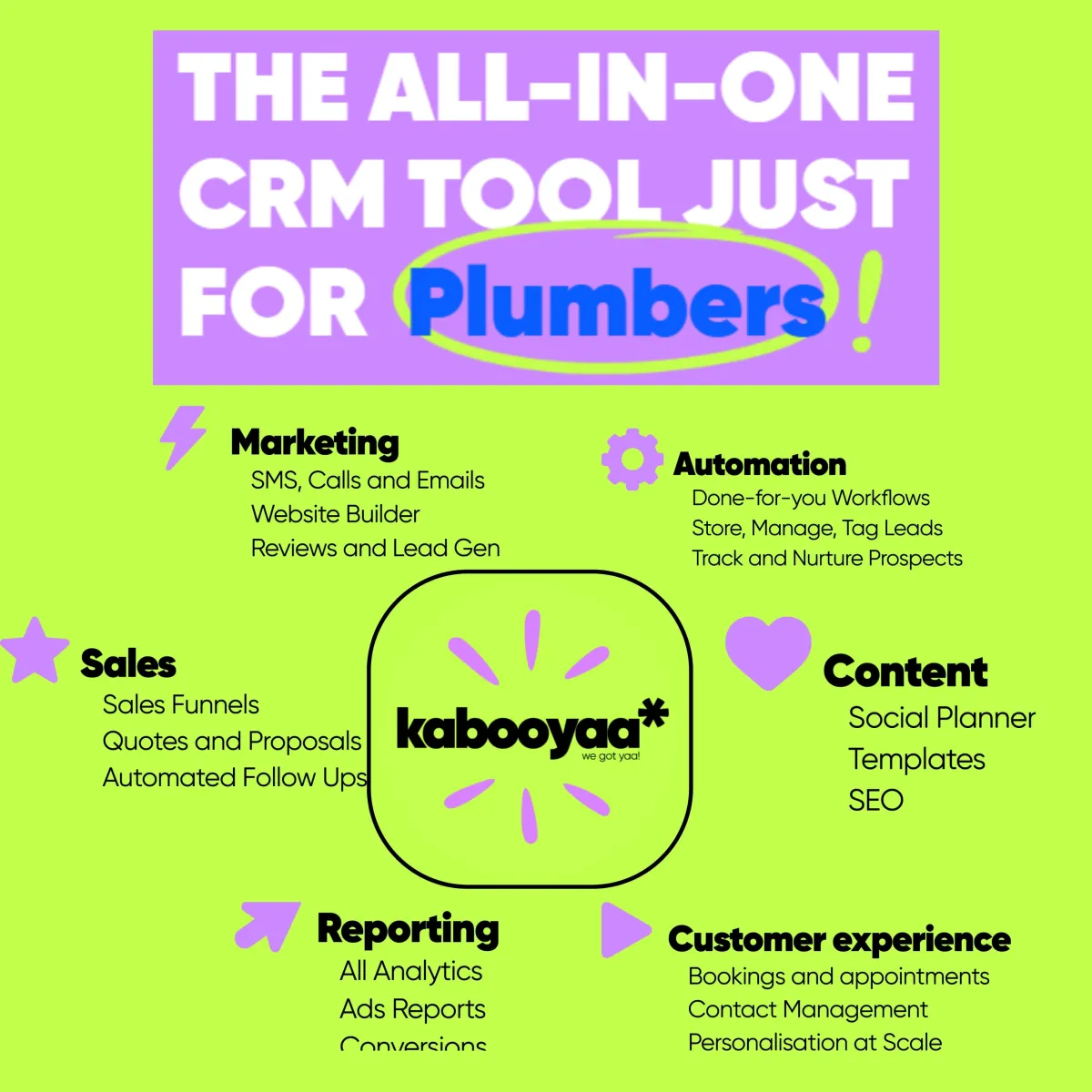
Website and local SEO: A basic website with suburb-targeted pages and an online enquiry form is essential. Pair it with Kabooyaa to capture leads and follow up automatically.
Step 6: Quoting and Contracts
Pool building contracts need to be thorough. The project timeline, payment schedule, inclusions, exclusions, and variation processes must all be documented.
Quote structure: Include full scope, materials specification, payment milestones, estimated timeline, and what's excluded (decking, fencing, landscaping around the pool if not included).
Payment milestones: Standard pool construction payment schedules in Australia typically run:
- 10% deposit on contract signing
- 30% on excavation complete
- 30% on shell installation complete
- 20% on equipment installation and plastering
- 10% on completion and handover
Never do significant work beyond the current payment milestone. Cash flow management is critical in pool construction.
Variation process: Define clearly what triggers a variation and how it's priced. Soil conditions, unexpected rock, access issues — pool builds regularly encounter unforeseen circumstances. Your contract needs to protect you.
Step 7: Lead Management and Customer Communication
This is where most new pool builders fall down. You're excellent at building pools. The customer communication side — follow-up, updates, handover — is often treated as an afterthought.
It shouldn't be. Here's why.
A pool build takes 6–14 weeks. During that time, the customer is anxious, excited, and in daily contact with neighbours who are commenting on the excavation, the noise, the timeline. Communication reduces anxiety and prevents disputes.
What good customer communication looks like:
- Quote follow-up within 24 hours of sending
- Weekly project updates during construction (SMS or email)
- Milestone notifications ("Your shell is going in Friday — here's what to expect")
- Handover documentation and training
- 3-month follow-up post-completion (any issues? ready for pool care tips?)
- Review request 2 weeks after handover when the pool is running perfectly
Using Kabooyaa for pool builds:
Kabooyaa handles the automation layer — quote follow-up sequences, construction update SMS, review requests after handover. For a high-value project like a pool ($30,000–$80,000+), the communication quality directly affects your referral rate.
A customer who felt informed and well-managed through the build will refer 2–3 other pool enquiries. A customer who felt ignored will never refer anyone.
Step 8: Scaling Past the First Year
Once you're completing 15–20 pools per year, the operational structure matters more than individual job quality.
Key systems to put in place before scaling:
- CRM for lead tracking and customer communication
- Accounting software (Xero works well for pool builders)
- Project management templates for each build phase
- Sub-contractor agreements with regular trades
- Quality control checklists for each build stage
The businesses that grow in pool building do so because they have systems, not just skills.
Frequently Asked Questions
What licence do I need to build pools in Queensland?
In Queensland, you need a Builder — Pool licence issued by the QBCC. The application requires relevant qualifications, financial requirements, and insurance. Apply directly through the QBCC website.
How much does it cost to start a pool building business in Australia?
Startup costs typically range from $50,000 to $150,000 depending on equipment decisions. Major costs include licensing, insurance, equipment, vehicle setup, and working capital. Many operators reduce upfront costs by hiring excavation equipment per job initially.
How do I get my first pool building customers?
Start with your Google Business Profile, referral relationships with landscapers and builders, and local Facebook groups. Hipages and Houzz can generate early leads. Pair these with a CRM like Kabooyaa to capture and follow up every enquiry systematically.
Do I need a contract for pool building work in Australia?
Yes. Pool building contracts are legally required for work above certain thresholds in most states, and highly recommended for all work regardless. Your contract must cover payment milestones, scope, variations, and timeline. Use a state-specific residential building contract template as a starting point.
How long does it take to build a pool in Australia?
A standard in-ground fibreglass pool takes 6–10 weeks from excavation to handover in ideal conditions. Concrete (gunite/shotcrete) pools take longer — typically 10–16 weeks. Council approvals before construction can add 4–8 weeks to the total timeline.
Start With the Right Systems
The technical skills to build a great pool will come. What separates the businesses that grow from those that stay stuck is the systems — licensing, insurance, supplier relationships, and customer communication.
Set up your CRM from day one. Every lead that doesn't get followed up is revenue left behind.
See how Kabooyaa supports pool builders from first enquiry to post-install review at kabooyaa.com.au.


