Winter Marketing Ideas for Landscapers Australia
Winter is the season that separates thriving landscaping businesses from struggling ones.
In the warmer months, the phone doesn't stop. But from June to August, the jobs dry up in most parts of southern Australia, and suddenly you're wondering how to cover your overheads and keep your team busy.
The good news: winter doesn't have to be a dead period. Landscapers who plan ahead stay booked through winter — often at better margins than summer, because there's less competition for the jobs that do exist.
What Landscaping Work Actually Exists in Winter?
Before you can market effectively, you need to know what services are genuinely in demand during winter.
Hard landscaping: Decking, retaining walls, pathways, pergolas, fencing, and paving are all easier to do in cooler weather. No heat stress, no sun damage risk to newly laid surfaces, no watching your crew wilt. Many homeowners specifically prefer to get these done in winter.
Lawn renovation and aeration: Winter is the ideal time to aerate, oversow, and prepare lawns for spring growth. This is a service that most homeowners don't think about — which means there's a marketing opportunity for whoever gets in front of them first.
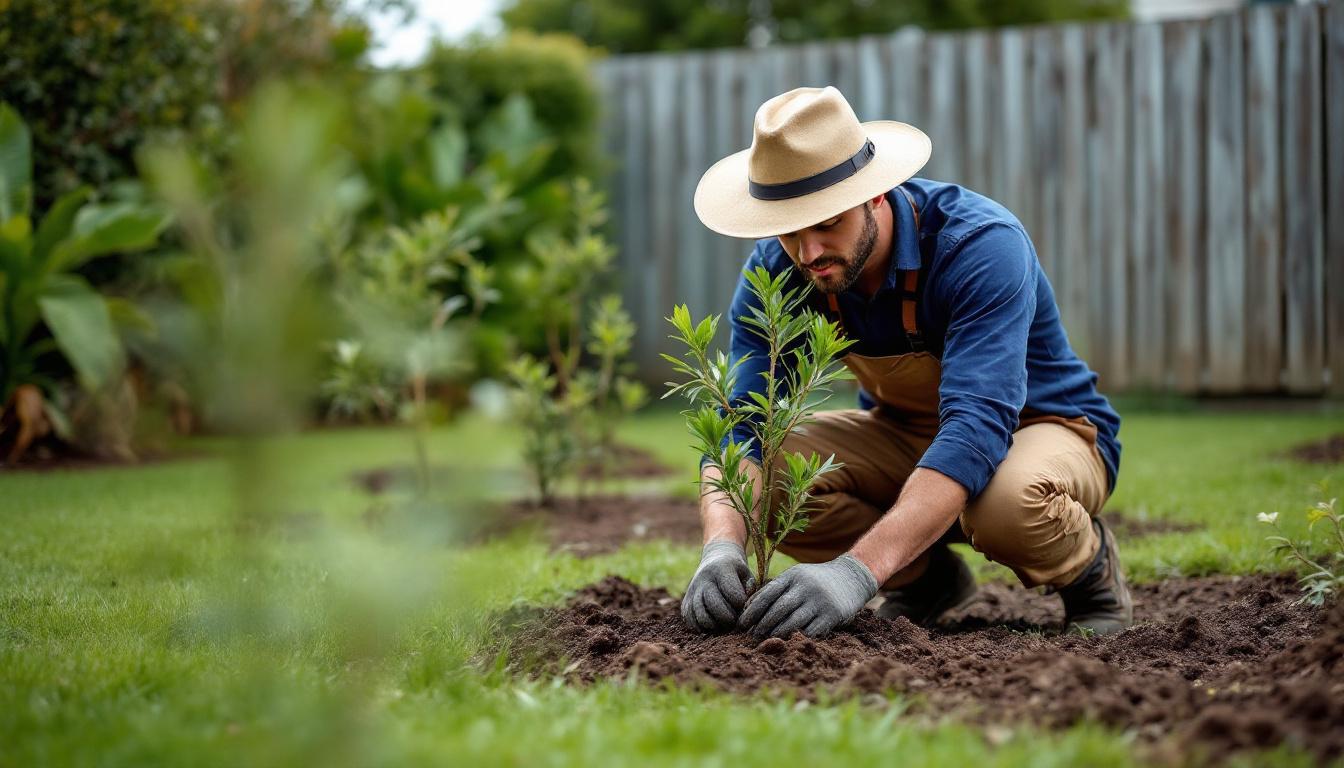
Garden redesign and planting: Deciduous plants and certain natives are best transplanted in winter. If you offer design and planting services, winter is actually a great time for large-scale garden transformations.
Pruning and maintenance: Winter is prime time for pruning roses, fruit trees, ornamental trees, and hedges. Many residential customers have gardens that desperately need this work done.
Commercial maintenance contracts: Council parks, strata properties, commercial sites, and body corporates still need regular maintenance year-round. Winter is actually a great time to pitch for these contracts before spring growth starts.
Strategy 1: Pre-Sell Spring Before Winter Starts
The single most effective thing you can do is contact your existing customer base in March-April and offer them a spring makeover booking — secured now, delivered in September-October.
Your message: "We're already booking spring garden transformations. If you'd like to get on the list before we fill up, now's the time. Happy to come out and do a free consultation this month."
Two things happen: some customers book a spring job early (your spring calendar fills up), and some customers realise their garden needs winter attention too while they've got you on the phone.
Strategy 2: Create a Winter Service Package
Most customers don't think about their garden in winter. Your job is to give them a reason to.
A "Winter Garden Tidy" package might include: - Full prune of shrubs and hedges - Lawn aeration and oversowing - Mulch refresh in garden beds - General cleanup and rubbish removal
Bundle it at a flat price ($450-$850 depending on garden size) and market it from May onwards. The flat price makes it easy to say yes — no quoting back-and-forth.
A done-for-you winter package is also easier to run efficiently. You can schedule multiple properties in a day with a standardised workflow.
Strategy 3: Go After Strata and Commercial Contracts
Residential work slows in winter. Commercial and strata maintenance doesn't.
Target: - Strata managers with multiple properties in your area (one contact, multiple properties) - Commercial property managers (shopping centres, office parks, industrial estates) - Schools and childcare centres (often have maintenance contracts that come up in Q3-Q4) - Council and government tenders (slow to start but can provide very reliable work) - Real estate agents with property management arms
Winter is actually a great time to pitch these contracts because your competitors are quiet and you can give these conversations the attention they deserve. By the time spring comes, you'll have contracts in place.
Strategy 4: Offer a Lawn Renovation Service Targeted at Spring Preparation
Most homeowners are thinking about their lawn in September, not July. You need to shift that conversation earlier.
A "Winter Lawn Care" service — aeration, weed treatment, oversowing, fertilising — positions you as the expert who knows what the lawn needs before spring arrives. Market it as: "Get your lawn ready now so it's looking perfect by October."
For lawns that need significant work (patchy, dead sections, waterlogged areas), a winter renovation is genuinely the right time. Educating customers about this builds trust and differentiates you from landscapers who just mow and blow.
Strategy 5: Build Your Pipeline for Spring Now
Even if a customer doesn't want winter work, they might be planning a major project for spring. Now is the time to: - Get in front of homeowners who are in the planning stage - Do free consultations and quote upcoming spring projects - Position yourself as the landscaper they'll call when the weather warms up
Run Facebook or Instagram ads in July-August specifically targeting spring project planning: "Planning a new deck, garden, or pool area? We're booking spring transformations now — limited spots available."
The customers who book in July for a September start are planning ahead. They're serious buyers, not tyre-kickers.
How to Market Your Landscaping Business in Winter
Email and SMS to your existing database: Your happiest customers are your warmest audience. Message them in May with your winter package before they've even thought about it.
Facebook and Instagram ads: Before and after photos resonate enormously in landscaping. Run targeted ads in your service area with images of winter garden transformations.
Google ads for winter-specific searches: "Winter lawn care [city]", "garden pruning [suburb]", "lawn aeration [city]" — low competition, low cost, high intent.
Letterbox drops: Old-fashioned but effective for landscaping. Dropping a one-page flyer in premium suburbs in May can generate enough enquiries to fill your winter calendar.
Related Reading
Frequently Asked Questions
Is it worth keeping staff on over winter? If you've built a pipeline of winter work using the strategies above, yes — retaining experienced staff saves you the cost of rehiring and retraining in spring. The goal is to generate enough winter revenue to cover their wages, even at a slightly lower margin than peak season.
What states in Australia have the quietest winters for landscaping? Victoria, South Australia, and Tasmania see the biggest seasonal slowdowns. Sydney has milder winters where slowdowns are less severe. Queensland landscaping businesses typically have opposite patterns — summer wet season causes the slowdown, not winter.
Should I offer discounts to get work over winter? Use service bundles rather than straight discounts. A packaged service at a flat price feels like value without training customers to expect discounts whenever it's quiet.
How do I compete against cheaper operators in winter? Focus on quality, professionalism, and the clients who care about long-term garden health over cheapest price. Market maintenance agreements, spring preparation, and expertise-driven services — these attract customers who are less price-sensitive.
How do I find strata managers to approach in my area? Search for strata management companies in your city, or look up properties that are visibly managed (they usually have a strata manager's name on the letterbox or noticeboard). LinkedIn is also useful for finding strata managers at specific companies.


