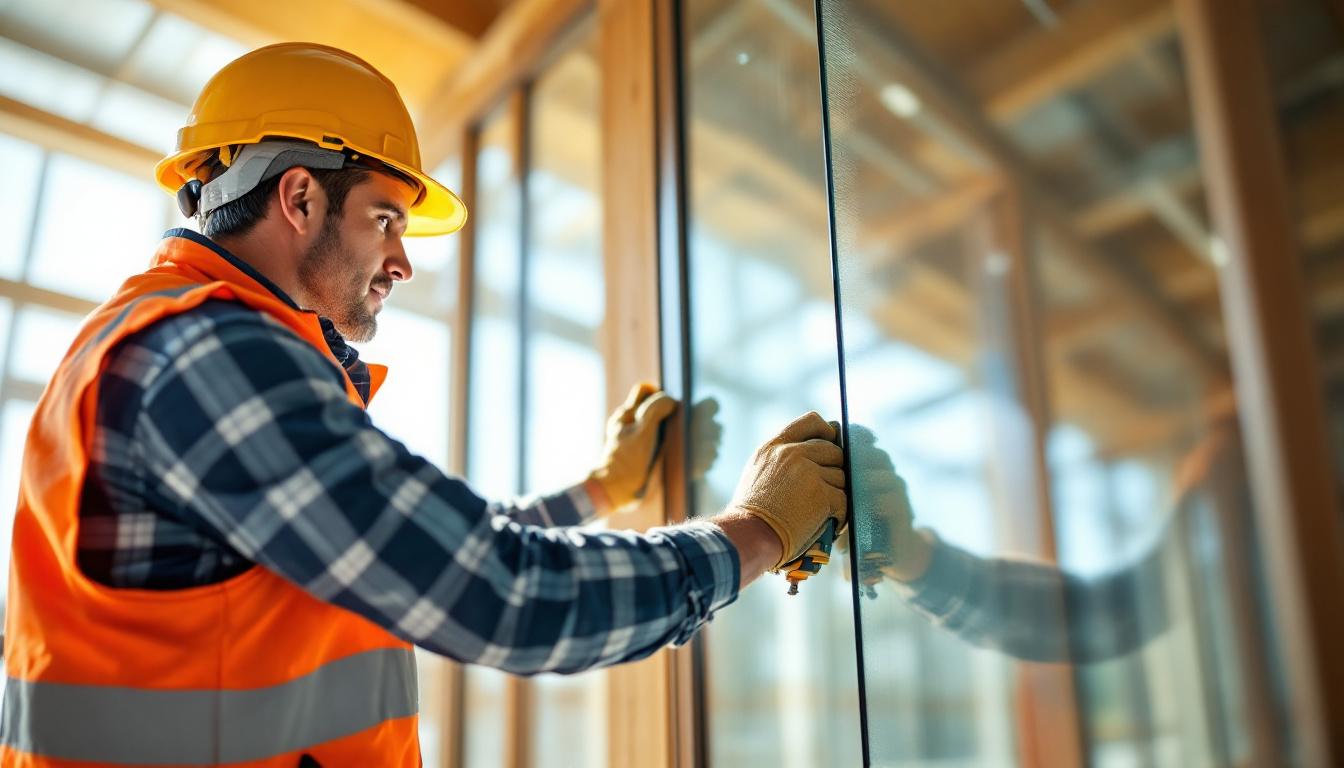
Marketing for Glaziers in Australia: How to Get More Glass Repair and Replacement Jobs
Most glaziers grow their business the same way — word of mouth, a few Hipages leads, and whatever comes in from a basic Google listing. That works to a point. But if you want consistent, high-quality leads without paying for every single one, you need an actual marketing system.
This guide covers the most effective ways for Australian glaziers to market their business in 2026 — from emergency glass repair to commercial glazing contracts.
Know Your Market: The Two Types of Glazing Customers
Glazing businesses typically serve two very different types of customers, and each requires a different marketing approach.
Emergency customers are homeowners or commercial tenants with a broken window, sliding door, or shower screen. They need someone now. They're searching Google, clicking the first name they see, and calling within minutes. For these customers, speed of response and strong Google Maps visibility are everything.
Project customers are builders, renovators, architects, and property developers who need glazing work as part of a larger project. They're planning ahead, comparing quotes, and valuing reliability and quality as much as speed. For these customers, your reputation, portfolio, and referral network matter most.
Your marketing strategy needs to address both — but the tactics are different.
Emergency Glass Repair: Win With Speed and Visibility
For emergency glass repair, the customer journey is simple: break glass, search Google, call first result.
Your job is to be the first result they see — and to answer when they call.
Google Business Profile optimisation: This is non-negotiable. Your GBP should be fully complete with: - "Glazier" as your primary category - Clear mention of emergency and after-hours services - Response time prominently stated ("Same-day boarding and glazing") - Photos of completed emergency jobs - A high volume of positive reviews
Google Ads for emergency terms: "Emergency glazier [city]", "24 hour glass repair [suburb]", "broken window replacement [city]" are high-intent searches. A well-targeted Google Ads campaign for these terms will deliver emergency calls from Day 1. Budget $20-$50/day in your target area.
Missed call text-back: Emergency customers who can't reach you will immediately call the next number. If you miss a call, an automatic text response — "Hi, we're currently with a customer. We'll call you back within 15 minutes. For urgent glass repairs, reply URGENT." — keeps the lead warm and reduces drop-off.
Building Your Google Reviews
In glazing, reviews are a massive trust signal. A broken window or vandalism is stressful — customers want reassurance they're calling a professional who'll fix it quickly and correctly.
Ask for reviews after every job. The easiest method: a text message sent automatically 2 hours after job completion — "Thanks for using [Business Name] today. If we did a good job, a quick Google review means a lot to us: [review link]."
Target 50+ reviews with a 4.8+ average rating. That's the benchmark to outrank competitors in most Australian cities.
Referral Partnerships That Work for Glaziers
Your best referral sources aren't just past customers. Think about who else deals with broken glass or glazing needs:
- Builders — need glaziers for new builds, renovations, and emergency repairs
- Property managers — handle glass breakages across rental properties constantly
- Insurance companies — customers with smashed windows often claim on home insurance
- Locksmith businesses — often first on scene after break-ins that involve broken glass
- Body corporate managers — strata properties have regular glass maintenance needs
- Security companies — frequently involved in post-break-in repair coordination
Reach out to property managers and insurance brokers in your area specifically. One good property management company sending you breakage repairs can mean 2-4 jobs per week with minimal marketing cost.
Commercial Glazing: Building a Pipeline
Commercial glazing work — shopfronts, office partitions, curtain wall, balustrades — is higher value and more consistent than residential emergency work. But it requires a different business development approach.
Build your portfolio: Before you can win commercial contracts, you need photos and references from commercial work you've done. Even if you're mostly residential now, actively photograph your best commercial jobs and showcase them on your website and social media.
Network with builders and architects: Join your local Master Builders Association chapter and attend events. Introduce yourself to commercial fitout builders in your area. These relationships take time to develop but can deliver large, reliable project pipelines.
Tender for government and council projects: Local councils, schools, and government buildings regularly require glazing work through public tender processes. Register on procurement portals like AusTender and your state's equivalent. The tender process takes time, but winning council contracts provides very stable income.
Direct outreach to commercial property managers: A short, professional email or letter to commercial property managers in your area — with photos of relevant commercial work — can open doors. Property managers deal with glazing issues regularly and often have preferred supplier relationships to fill.
Your Website: The Basics That Matter
Your website doesn't need to be fancy, but it needs to work. For glaziers, that means:
- Your phone number visible and clickable at the top of every page
- Clear mention of emergency and after-hours service (if you offer it)
- Service pages covering your main services: emergency repairs, window replacement, shower screens, shower screens, balustrades, mirrors, commercial glazing
- A portfolio of photos from completed jobs
- Google reviews embedded or linked
- A contact form for quote requests
Speed matters — use a reliable host and compress your images. A glazier website that loads slowly on mobile is losing emergency calls.
Frequently Asked Questions
What's the most cost-effective marketing channel for a new glazing business? Google Business Profile optimisation first — it's free and drives emergency calls. Second, a small Google Ads budget targeting emergency terms in your service area. Third, direct outreach to property managers and builders for referral relationships.
Should I advertise on Hipages or ServiceSeeking as a glazier? These platforms can generate leads, but the quality is mixed and you're competing on price. They work better as a supplement to your own marketing than as your primary lead source. Don't rely on them exclusively.
How do I handle insurance claims as a glazier? Get familiar with the process for major Australian home insurers. Some have preferred supplier programs — applying to be a preferred supplier for one or two insurers can generate consistent work. Being able to tell customers "yes, we handle insurance claims and can deal directly with your insurer" is a powerful differentiator.
What licences do I need to operate as a glazier in Australia? Licensing requirements vary by state. In most states, glaziers working on certain types of work require a contractor's licence. Check with your state's licensing authority (QBCC in QLD, Fair Trading in NSW, VBA in VIC, Consumer and Business Services in SA). Operating without the correct licence is illegal and a massive liability.
How do I charge for after-hours emergency glazing? Emergency after-hours rates are standard and expected in the industry. Most glaziers charge a callout fee ($150-$300 depending on time and location) plus a higher hourly rate for after-hours. Be transparent about this upfront — customers who are dealing with a security issue after a break-in understand and accept emergency pricing.


