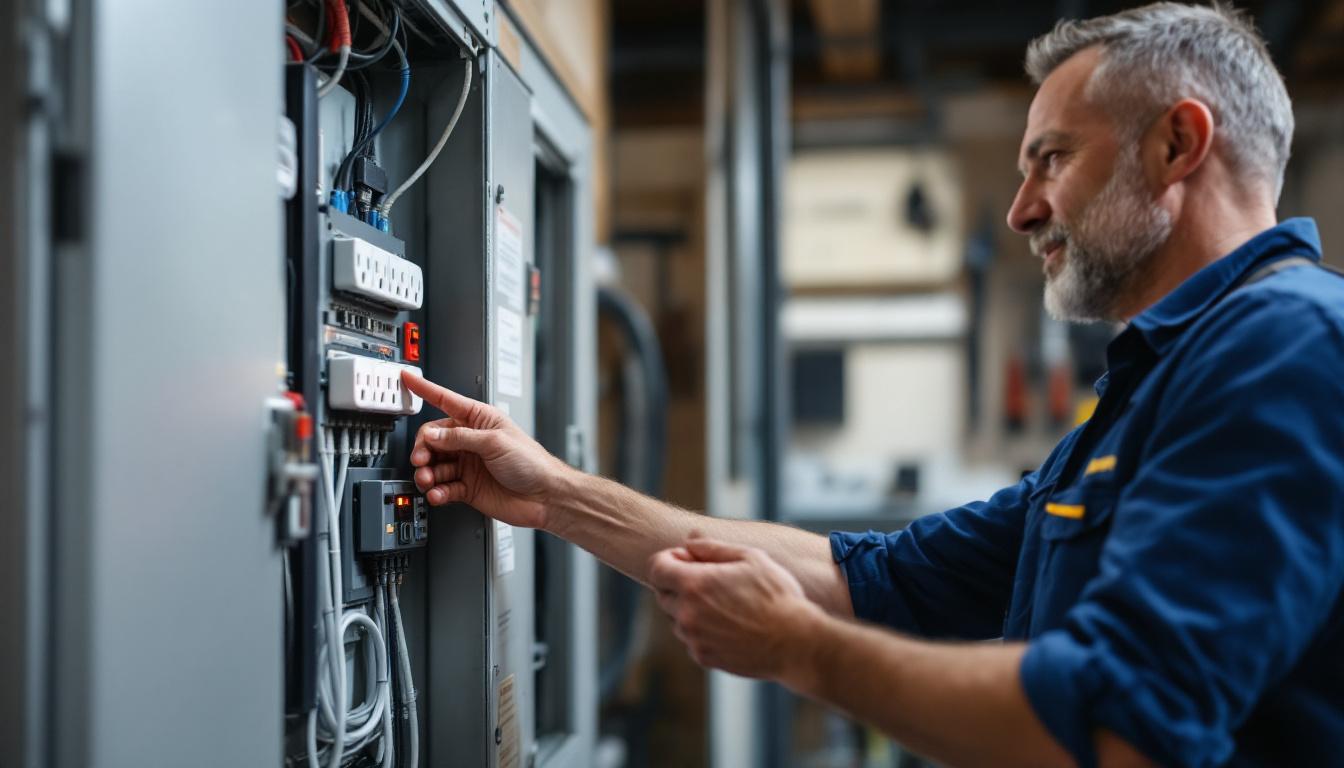
How Electricians Can Upsell Surge Protection and Safety Checks
Surge protection and electrical safety checks are two of the easiest and most justified upsells available to Australian electricians — yet most leave them sitting on the table. A surge protection device costs $150-$400 installed, takes 30-60 minutes, and protects thousands of dollars of the customer's appliances. A safety check takes an hour and can prevent a house fire. Both are legitimate recommendations, both carry real value, and both increase your average job revenue without requiring more customers. Here's how to offer them properly.
Why Electricians Under-Upsell
The reluctance to upsell usually comes from one of two places:
- Worry about being seen as pushy — Electricians are tradespeople, not salespeople, and the thought of pitching something feels uncomfortable
- Not knowing when to raise it — The job is done, the customer is happy, and it feels awkward to bring something new up
Both of these barriers dissolve when you understand that recommending surge protection or a safety check is not selling — it's advising. It's what a good electrician does. The customer hired you because you know more about electricity than they do. When you don't mention something that could protect their home or their appliances, you're doing them a disservice.
Understanding Surge Protection
What It Is
A surge protection device (SPD) — sometimes called a transient voltage surge suppressor — is installed at the switchboard to protect the entire electrical system from voltage spikes. These spikes occur from lightning strikes, grid switching by the utility, and equipment cycling on and off.
Modern homes are full of expensive, surge-sensitive equipment: smart TVs, gaming consoles, laptops, air conditioners with digital controls, dishwashers, and refrigerators. A single surge event can destroy all of it simultaneously.
Australian Standard
AS/NZS 3000:2018 (the Wiring Rules) encourages surge protection in residential installations. While it's not mandated as standard in all states, it's a legitimate professional recommendation on every job.
Types of Surge Protection
| Type | Location | Protection Level | Cost Range |
|---|---|---|---|
| Type 1 SPD | Main switchboard | Highest — covers lightning surges | $300-600 installed |
| Type 2 SPD | Main or sub-board | Covers internal surges and grid fluctuations | $150-300 installed |
| Type 3 SPD | Point of use (power point) | Local device protection | $50-150 installed |
For residential customers, a Type 2 SPD at the main switchboard is the most practical recommendation — it protects the whole house, it's a single installation point, and the price is justifiable against the value of the protected equipment.
How to Raise Surge Protection With Customers
The best time is during or just after completing the main job, while you're still on-site.
Script:
"While I was at your switchboard, I noticed you don't have surge protection installed. With all the electronics in modern homes — your smart appliances, the A/C units, TVs — a power surge can take out thousands of dollars of equipment in a split second. I can install a surge protection device today for $[price] — it takes about 45 minutes and covers the whole house. Want me to include that while I'm already here?"
What makes this work:
- It's observational, not pushy — you noticed something
- It's specific — "your appliances, your A/C units, your TVs"
- It's justified — the consequence (thousands of dollars damaged) is real and credible
- It's convenient — "while I'm already here" reduces the customer's activation energy
Most customers will ask a question or two before deciding. Prepare for:
- "Is it urgent?" — "It's not a crisis, but power surges happen without warning. The sooner you have it, the sooner you're protected."
- "How much does it save me?" — "If it protects your air conditioner alone, it's already paid for itself. Most people have $5,000-$15,000 of electronics that would be at risk."
- "Can I think about it?" — "Of course. I'll leave you the details and you can call us back. The install takes about 45 minutes so we can usually fit it in within a few days."
Electrical Safety Checks: The Other High-Value Upsell
An electrical safety check is a systematic inspection of a home's electrical installation. For older homes (pre-2000, and especially pre-1980), a safety check is genuinely important — not a sales pitch.
What a Residential Safety Check Covers
- Switchboard condition: age, type, fuse vs circuit breaker, RCD presence and function
- Earthing and bonding
- Visible wiring condition
- Smoke alarm presence and wiring (in Queensland and other states with specific legislation)
- Power point condition
- Outdoor and wet area safety (GPOs near water, outdoor fixtures)
The check produces a written report the customer can keep — which is a tangible deliverable, not just a verbal opinion.
Pricing and Positioning
A residential safety check typically takes 45-90 minutes for an average home. Market it at $150-$250 depending on your local rates and home size.
Position it as a service, not an add-on:
"We offer a home electrical safety check — it's a full inspection of your switchboard, wiring, and power points. A lot of homes have things that were fine when they were installed but are now out of date. The report shows you exactly where you stand. It takes about an hour and it's $180."
When to Offer It
- When you're called to an older home for any reason
- After completing switchboard work (natural segue — you've just been there)
- After completing any work where you've noticed old wiring or equipment
- As a proactive offer to existing customers: "We haven't done a full safety check on your home — with houses of this age, it's worth doing. Want us to include it next time we're out?"
Building Upsells Into Your System
Relying on individual technicians to remember to offer upsells every time is not a system — it's hope. Build upsells into your process:
Job Completion Checklist
Every electrician's job completion checklist includes:
- [ ] Did I check the switchboard for SPD presence?
- [ ] Did I note the age of the wiring?
- [ ] Did I offer surge protection if not installed?
- [ ] Did I offer a safety check for homes built before 2000?
Automated Follow-Up
For customers who said "let me think about it" — Kabooyaa sends a follow-up message 48-72 hours later: "Hi [Name], just following up on the surge protection we discussed. Happy to book that in this week if you'd like to go ahead — it's a 45-minute job. Let us know and we'll get you on the schedule."
This converts a significant portion of the "maybes" into confirmed jobs without you having to remember to follow up manually.
Post-Job Review Sequences
After every completed job, Kabooyaa can send a service summary that includes a reminder about any items discussed but not completed — including upsells. This creates a paper trail and a natural reason to re-engage. See how automated follow-ups work at /post/builder-warranty-follow-up-referral-automation for the underlying approach.
Revenue Impact of Consistent Upselling
The numbers make a strong case for systemising upsells:
A solo electrician completing 4 jobs per day, 5 days per week does roughly 80 jobs per month. If surge protection is offered on every relevant job (say, 60% of residential jobs = 48 opportunities) and converts at 25%, that's 12 installs per month at $200 average profit each = $2,400 additional profit monthly.
Safety checks at similar conversion rates add another $1,500-$2,000 per month.
For a small electrical business, that's $40,000-$50,000 additional annual revenue from legitimate upsells that benefit the customer — not manipulation.
Frequently Asked Questions
Is it ethical to upsell on every job? It's ethical to recommend things that genuinely benefit the customer. Surge protection and safety checks both meet that test. The key is recommendation, not pressure — you offer it once, explain the benefit clearly, and respect the customer's decision. That's professional advice, not a hard sell.
Do I need special certification to install surge protection devices? No additional certification beyond your electrical licence is required to install SPDs at the switchboard. You should be familiar with AS/NZS 3000 requirements and the specific product installation instructions.
What surge protection brands should I stock? ABB, Hager, and Clipsal all make reliable Type 2 SPDs suited to Australian residential installations. Stock one preferred product so you can always carry it on the van without needing to source it separately for each job.
How do I handle customers who think it's unnecessary? Don't push. Explain the value once: "It's your call — I just wanted to make sure you knew it wasn't something you had." Leave it at that. A customer who feels informed but unpressured will often call back when their neighbour mentions a surge or when they read about it elsewhere.
Can I offer surge protection as a packaged deal with switchboard upgrades? Absolutely. "We'll upgrade your switchboard and include surge protection as part of the package" is a strong offer. Position it as a complete, future-proofed installation rather than two separate items.
Kabooyaa helps electricians automate the follow-up on upsell conversations so nothing falls through after the job is done. If your team is having these conversations but not converting them consistently, talk to the Kabooyaa team about how the post-job automation works.


